

Navigating the modern healthcare landscape often feels overwhelming. Between balancing routine checkups, managing unexpected injuries, and coordinating care across various clinics, finding trustworthy local care can quickly become a complicated puzzle. Many individuals delay treatment simply because they are unsure of where to start or how different specialists fit into their broader wellness plan.
Building a reliable network of local health professionals is one of the most proactive steps you can take for your long-term well-being. When you establish relationships with skilled providers before an urgent health issue arises, you secure a safety net that protects both your daily quality of life and your long-term vitality. This comprehensive guide serves as your roadmap to evaluating, selecting, and coordinating care across essential clinical fields—from foundational dental practices to specialized physical rehabilitation centers.
Foundations of Preventative Care: Establishing Primary Dental Relationships
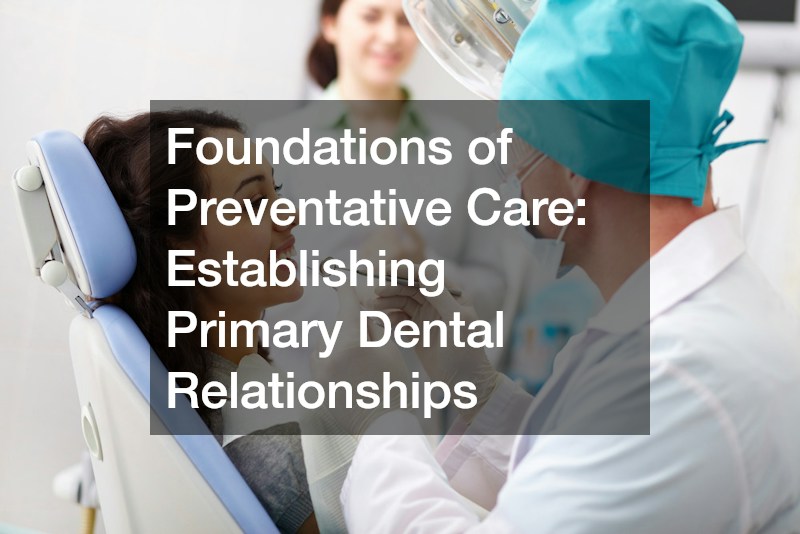
Maintaining consistent oral care is an essential practice that goes beyond just taking care of your teeth and gums—it plays a crucial role in ensuring your overall systemic health. Emerging clinical research has increasingly highlighted the strong and undeniable connections between chronic oral inflammation and broader health issues, such as cardiovascular disease and the effective management of diabetes. By identifying and forming a long-term relationship with a reliable dental clinical home, you are more likely to benefit from the early detection of potential issues, preventing them from escalating into complex, painful, and possibly irreversible conditions.
How to Evaluate a Primary Care Dental Practice for Long-Term Needs
Selecting the right primary dental practitioner is a decision that should be made with careful consideration. It involves looking beyond surface-level conveniences like a nearby location or flexible appointment schedules. Instead, you should seek a dental practice that offers comprehensive preventative care, maintains clear and effective patient communication, and provides treatment that spans multiple generations. When arranging for an initial consultation, it’s important to evaluate the practice based on several critical criteria:
- Patient Communication and Education: An exemplary family dentist is dedicated to patient education, taking the time to thoroughly explain diagnostic findings. They should be willing to review digital radiographs with you in detail and present multiple treatment plans in a pressure-free manner, allowing you to make informed decisions about your oral health.
- Technology Integration: Modern dental practices should embrace advanced technologies such as digital intraoral scanners, 3D cone-beam imaging, and gentle cleaning technologies. These advancements not only enhance the accuracy of diagnoses but also minimize discomfort during procedures, greatly improving the overall patient experience.
- Emergency Availability: Understanding the protocol for after-hours urgencies or sudden severe dental pain is crucial. Ensure that the practice you choose has a reliable system in place to manage unexpected situations, offering peace of mind that dental care is always accessible.
- Multi-Generational Services: Opt for a practice that is equipped to treat all age groups, from young children and teenagers to older adults. This approach not only saves time but also ensures continuity of care, fostering trust and long-term relationships with your dental care provider.
What to Expect During an Initial Clinical Assessment and Facility Walkthrough
Your first visit to a dental clinic sets the groundwork for a successful and professional long-term relationship. As you walk into the local dentist’s office, pay close attention to the operational efficiency, clinical cleanliness, and administrative transparency displayed. During a standard initial visit, you can expect a thorough review of your medical history, a detailed head and neck examination, screening for periodontitis, and the use of low-radiation digital imaging to ensure a comprehensive understanding of your oral health.
A transparent dental office will provide comprehensive financial estimates before conducting any non-preventive treatments. They should clearly explain your insurance coverage, what costs you may need to pay out-of-pocket, and be willing to offer flexible payment arrangements for any unexpected dental procedures. This commitment to transparency fosters trust and ensures that you are never caught off guard by your treatment plans.
Restorative and Advanced Dental Interventions
Taking good care of your teeth and gums by brushing and flossing every day is unquestionably important for maintaining oral health. However, various factors can lead to structural damage to your teeth, despite these dedicated efforts. Such damage may arise from genetic predispositions, accidental trauma, extensive tooth decay, or even the deterioration of previous dental work. These issues underscore the vital role that restorative dentistry plays in modern dental care.
Restorative dentistry encompasses a range of procedures that aim to address and rehabilitate compromised tooth structures. The primary goals of this branch of dentistry are to repair existing damage, effectively eliminate any infections that threaten dental health, and thoughtfully replace any teeth that are missing. By doing so, restorative dental interventions strive to preserve the essential functions of chewing and speaking, ensuring that the structure of the jaw remains stable and well-supported. Call a dentist office for more information.
Navigating Surgical Tooth Removal and Post-Procedure Aftercare Protocols
When a tooth is non-restorable due to deep fractures, advanced periodontal breakdown, or severe impaction, extraction becomes necessary to preserve neighboring teeth and jawbone integrity. Modern surgical techniques prioritize patient comfort and rapid healing through minimally invasive procedures.
When undergoing a tooth extraction, strict adherence to post-operative instructions ensures smooth recovery and reduces the risk of painful complications like dry socket:
- Protect the Blood Clot: Avoid using straws, smoking, or vigorous rinsing for at least 48 to 72 hours, as suction can dislodge the crucial initial blood clot.
- Manage Swelling: Apply cold packs externally to the cheek in 20-minute increments during the first day after surgery.
- Transition Diet Carefully: Stick to soft foods like pureed soups, Greek yogurt, and scrambled eggs before slowly reintroducing solid foods as comfort permits.
- Maintain Cleanliness: Gently rinse with warm salt water after meals starting 24 hours post-procedure, keeping the extraction site free of food debris.
Long-Term Solutions for Restoring Missing Teeth and Structural Integrity
Leaving a missing tooth unaddressed causes neighboring teeth to drift into the open space over time, compromising your bite alignment and leading to jaw joint strain. Choosing a permanent dental implant provides a stable, independent replacement option that mimics natural root structure without requiring modifications to adjacent healthy teeth.
Implant therapy involves placing a medical-grade titanium or zirconia post directly into the jawbone, where it undergoes osseointegration—fusing securely with surrounding bone tissue. Once fully healed, a custom porcelain crown is attached, fully restoring strength, natural aesthetics, and proper chewing function.
Enhancing Aesthetic and Functional Smile Alignment

Modern clinical care balances structural restoration with aesthetic appearance. A healthy smile directly impacts self-esteem, personal confidence, and social interactions, making aesthetic treatments an increasingly valued branch of modern healthcare.
Modern Treatments for Correcting Discoloration, Chips, and Alignment Issues
Contemporary treatment techniques allow patients to address minor flaws or complete full smile transformations safely and conservatively. Depending on your individual goals, your provider may recommend one or more of the following cosmetic dentistry services:
- Professional Teeth Whitening: In-office laser or custom tray bleaching systems effectively remove stubborn deep stains caused by coffee, tea, medication, or aging.
- Dental Bonding: High-density tooth-colored composite resins are shaped and bonded directly to teeth to repair small chips, fill small gaps, or cover localized enamel imperfections.
- Porcelain Veneers: Thin, custom-crafted ceramic shells are permanently bonded to the front surfaces of teeth to correct discoloration, minor misalignment, or asymmetrical shapes.
- Clear Aligner Therapy: Removable transparent alignment trays gently guide misaligned teeth into optimal positioning without traditional metal brackets or wires.
Distinguishing Between Purely Aesthetic Improvements and Functional Restorations
It is helpful to recognize that cosmetic enhancements and functional repairs frequently overlap. Correcting worn, uneven, or chipped teeth often restores proper bite distribution, protecting enamel from excessive grinding forces and reducing chronic jaw muscle fatigue.
When planning aesthetic improvements, consult with your practitioner to design a treatment approach that prioritizes tooth structure preservation and long-term oral health alongside cosmetic goals.
Specialized Physical Rehabilitation and Injury Recovery
Recovering from a traumatic injury, major orthopedic surgery, or a debilitating neurological condition requires structured, expert guidance. Specialized rehabilitation facilities help bridge the transition between acute hospital stays and returning to independent daily living.
Selecting the Right Facility for Post-Surgical and Acute Recovery Needs
Choosing an appropriate recovery environment significantly affects the speed and quality of your healing journey. When evaluating an inpatient or outpatient physical rehab center, focus on facility accreditation, clinical specialties, and patient outcome track records:
- Multidisciplinary Staffing: Confirm that the clinical team includes board-certified physical therapists, occupational specialists, and medical directors working collaboratively.
- Advanced Recovery Equipment: Look for facilities featuring modern therapeutic tools like anti-gravity treadmills, hydrotherapy pools, and functional electrical stimulation systems.
- Individualized Care Plans: Ensure treatment programs are tailored around your specific lifestyle demands, job duties, and personal mobility goals rather than standardized templates.
Structuring Outpatient Programs to Restore Mobility and Prevent Re-Injury
Transitioning to an outpatient setting allows patients to continue building physical strength, joint range of motion, and athletic coordination while living at home. Participating in structured local rehab therapy helps individuals regain functional movement patterns safely following joint replacements, tendon repairs, or sports injuries.
Outpatient programs combine targeted manual therapy, therapeutic exercise, patient education, and home care protocols to build lasting physical resilience and mitigate re-injury risks.
Active Physical Therapy and Spinal Health Optimization
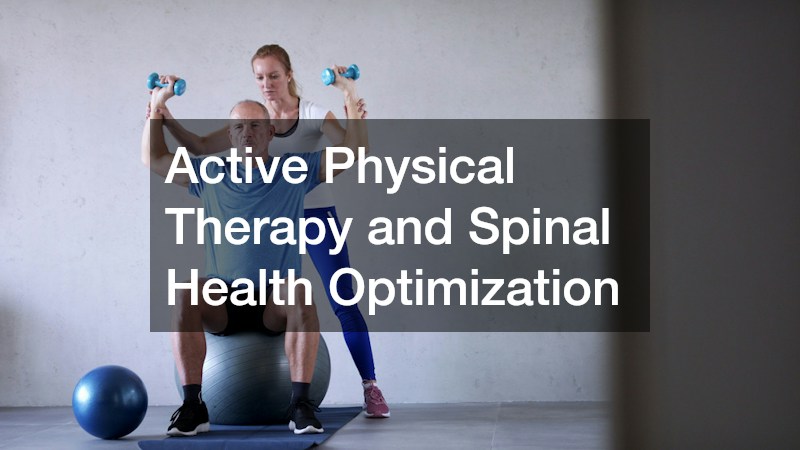
Musculoskeletal discomfort, back strain, and movement restrictions affect millions of individuals daily. Conservative physical medicine approaches focus on diagnosing biomechanical imbalances, restoring joint mobility, and managing pain without unnecessary reliance on surgical interventions or long-term medication use.
Working Alongside Licensed Movement Experts for Custom Rehabilitation
Movement specialists evaluate human mechanics, identifying subtle weaknesses or movement compensations that contribute to chronic joint pain, neck stiffness, or muscle strain. Licensed physical therapists utilize a variety of clinical techniques during recovery:
- Biomechanical Gait Analysis: Assessing how you walk, run, and step to identify improper joint tracking or weight distribution.
- Targeted Strength Training: Isolating stabilizing muscle groups—particularly around the core, hips, and shoulder girdles—to support heavy structural joints.
- Neuromuscular Re-Education: Retraining nerve-muscle communication to improve dynamic balance, posture, and movement coordination during daily activities.
- Soft Tissue Mobilization: Applying manual pressure techniques to break up scar tissue, release fascial restrictions, and improve localized blood flow.
Non-Invasive Approaches to Aligning the Spine and Managing Joint Dysfunction
Spinal health plays a direct role in central nervous system communication, physical mobility, and overall comfort. Consulting a qualified chiropractor offers non-invasive diagnostic assessments and targeted spinal adjustments designed to address joint fixations, relieve nerve pressure, and restore fluid motion to the vertebral column.
Combining manual joint adjustments with active movement exercises creates a holistic approach to spinal care, promoting faster symptom relief, improved posture, and enhanced physical performance.
Advanced Hormonal and Endocrine Wellness Support
As adults age, natural endocrine changes can significantly impact daily vitality, body composition, sleep architecture, and cognitive function. Proactive medical management focuses on identifying subtle biochemical shifts early to help restore physical equilibrium and support long-term metabolic health.
Identifying Clinical Signs of Systemic Imbalances and Age-Related Deficiencies
Hormonal shifts often develop gradually, causing non-specific symptoms that individuals frequently write off as normal signs of aging. Common indicators of underlying endocrine imbalances include:
- Persistent Unexplained Fatigue: Feeling chronically drained despite getting adequate nightly sleep and maintaining a balanced diet.
- Metabolic Shifts and Weight Gain: Experiencing stubborn abdominal fat accumulation or muscle mass loss without changes in exercise or nutrition.
- Sleep Disturbances: Difficulty falling asleep, frequent night wakings, or experiencing night sweats that disrupt restorative rest.
- Cognitive and Mood Changes: Noticing persistent brain fog, memory slips, increased anxiety, or reduced motivation throughout the workday.
Evaluating Therapeutic Options to Restore Vitality and Systemic Balance
When comprehensive blood analysis reveals underlying deficiency or imbalance, working with a qualified medical professional allows for safe, personalized restoration protocols. Clinical hormone replacement programs utilize carefully calibrated bioidentical therapies tailored precisely to match your body’s physiological needs.
Ongoing monitoring through regular blood work, symptom evaluation, and dosage adjustments ensures safety, prevents potential side effects, and optimizes long-term health outcomes.
Taking Control of Your Healthcare Journey

Navigating specialized healthcare options does not need to feel confusing or overwhelming. By understanding the unique roles played by various medical, dental, and movement specialists, you can build a collaborative healthcare team tailored precisely to your physical needs, lifestyle, and wellness goals.