

A health crisis rarely waits for a convenient time, and the difference between scrambling in a panic and knowing your next move often comes down to planning done months earlier. Building a complete health plan means thinking through every stage of care, from minor injuries treated at home to life-threatening emergencies that require immediate action. It also means understanding the full spectrum of treatment options available to you, so you are never forced to make a rushed decision under stress. This guide walks through the key pieces of a resilient health plan, one stage at a time.
Recognizing When a Situation Is Truly an Emergency
One of the hardest parts of any health crisis is deciding how serious it actually is. Many people either underreact to warning signs or overreact to minor symptoms, and both mistakes carry real costs. Learning to recognize the difference between something that can wait for a regular appointment and something requiring an emergency room visit is a skill every household should build before a crisis hits. True emergencies tend to share certain markers: sudden chest pain or pressure, difficulty breathing, uncontrolled bleeding, sudden confusion or slurred speech, a high fever that won’t break, or any loss of consciousness. These symptoms signal that the body may be facing an immediate threat, and hesitating to seek emergency room care in these cases can be dangerous. When in doubt, it’s safer to be evaluated and told the issue is minor than to stay home with something serious. On the other hand, symptoms like a mild cold, a minor sprain, a low-grade fever, or a small cut that has stopped bleeding usually don’t require a trip to the emergency room. These situations are often better suited for an urgent care clinic, a telehealth call, or a next-day appointment with a primary care provider. Treating every ache as a crisis can lead to unnecessary costs, longer wait times for people with true emergencies, and added stress for the patient. A useful household strategy is to keep a simple reference list of red-flag symptoms posted somewhere visible, alongside the nearest urgent care and emergency room locations. Talking through a few “what would we do if” scenarios in advance — a child with a high fever at 2 a.m., a parent with sudden dizziness, a workplace injury — can remove much of the panic and guesswork when a real situation arises.
A good rule of thumb is to think about reversibility and speed of change. Ask yourself two questions: could this get significantly worse in the next few minutes, and could waiting cause permanent damage? If the answer to either is yes, treat it as an emergency rather than something to monitor. Chest pain, difficulty breathing, sudden confusion, slurred speech, facial drooping, or uncontrolled bleeding are all signals that time matters more than convenience. These symptoms often point to conditions like heart attacks, strokes, or severe trauma, where every minute of delay increases the risk of lasting harm. Sudden weakness on one side of the body, a severe headache unlike any before, or a seizure lasting more than five minutes belong in this same category. It also helps to have a few benchmarks in mind. A fever above 103°F in an adult, a fall followed by loss of consciousness, or an allergic reaction that includes swelling of the face or throat all warrant immediate emergency care rather than a wait-and-see approach. When in doubt, err on the side of calling for help — the cost of an unnecessary trip to the ER is far lower than the cost of missing a true emergency.
- Severe chest or abdominal pain that comes on suddenly, especially with sweating, nausea, or pain radiating to the arm or jaw
- Signs of stroke, such as slurred speech, facial drooping, or sudden weakness on one side (remember FAST: Face, Arms, Speech, Time)
- Deep cuts, burns, or wounds that will not stop bleeding after 10 minutes of direct pressure
- Sudden vision loss, blurred vision, or extreme allergic reactions like throat swelling or trouble breathing
- Any injury involving loss of consciousness, even briefly, or confusion following a fall or head impact
- High fever above 103°F paired with stiff neck, rash, or unresponsiveness, especially in infants or older adults
- Signs of overdose or poisoning, including difficulty breathing, seizures, or extreme drowsiness
Preparing for Pediatric Health Situations

Children get sick and injured in ways that often do not fit neatly into adult emergency categories, which is why families benefit from knowing their options before something happens. A high fever at midnight, a sprained ankle from the playground, or a stomach bug that will not quit rarely needs a full hospital visit, yet parents still need fast, reliable answers. Facilities built specifically for treating kids tend to have shorter waits and staff trained to keep young patients calm.
Knowing the location and hours of your nearest pediatric urgent care before you need it saves precious time during an already stressful moment. Many of these clinics are open evenings and weekends, which covers the gap when a pediatrician’s office is closed but the situation does not yet warrant a trip to a hospital. Building this information into your family’s health plan now means one less decision to make when your child is uncomfortable and you are worried.
Stocking a Home Ready for the First Hour
The first sixty minutes after an injury or sudden illness often determine how smoothly the rest of the situation unfolds. A well-stocked home reduces panic because you already have the tools to respond rather than searching for them mid-crisis. This is one of the simplest and most affordable parts of a health plan to put in place.
Beyond a basic first aid kit, it helps to think about what your specific household is likely to need based on age, health conditions, and activity level. Families with older members or chronic conditions may want a broader range of medical supplies on hand, including items for wound care, mobility support, and monitoring vital signs.
- Adhesive bandages, gauze, and medical tape in multiple sizes
- A digital thermometer and a basic blood pressure monitor
- Antiseptic wipes, saline solution, and antibiotic ointment
- A cold pack and an elastic wrap for sprains
- Any prescribed emergency medications, clearly labeled and not expired
Managing Chronic Pain and Joint Problems Before They Escalate

Joint and back pain rarely appear overnight, and untreated chronic pain has a way of quietly limiting daily life until a crisis point is reached. A strong health plan addresses these issues early, before they force an emergency decision. This means having honest conversations with a doctor about what treatment paths exist and what each one actually involves.
Surgery is not always the first or only answer, and many people are relieved to learn there are orthopedic surgery alternatives worth exploring first, such as physical therapy, targeted injections, or bracing systems designed to offload stress from a damaged joint. These approaches can delay or even eliminate the need for an operation in some cases. Discussing these options with a specialist well before pain becomes disabling gives you more time and more choices.
Understanding Hormonal Health as Part of Long Term Wellness
Hormonal shifts affect energy, mood, sleep, and physical resilience in ways that are easy to dismiss until they become disruptive. Left unaddressed, these changes can compound other health issues and make it harder to recover from illness or injury. A complete health plan treats hormonal health as a real component of overall wellness, not an afterthought.
For many adults going through significant hormonal changes, hormone replacement therapy has become a widely used option to restore balance and reduce symptoms like fatigue, bone density loss, and mood instability. It is worth discussing with a physician who can run proper testing rather than guessing at symptoms. Getting ahead of hormonal decline can also reduce the odds of a future emergency tied to complications like fractures or severe metabolic swings.
Building a Response Plan for Substance Use Concerns
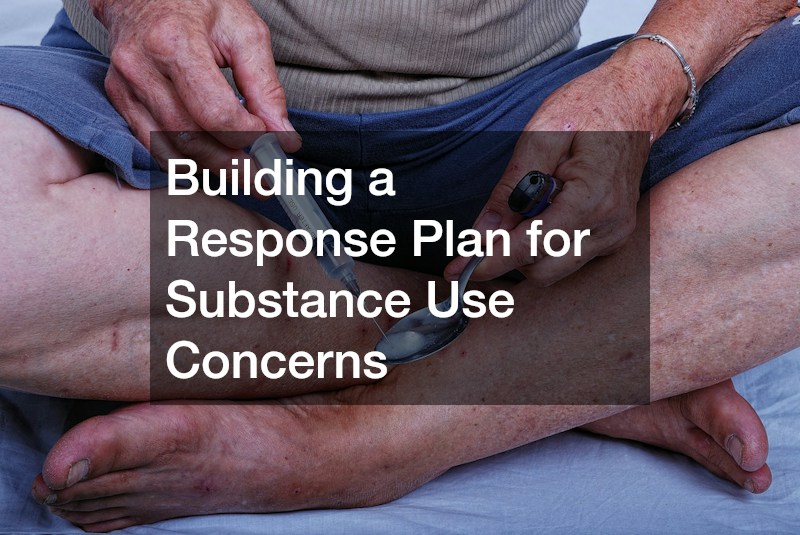
Substance use issues rarely stay contained to one part of a person’s life, and they often escalate quietly until a crisis forces the issue into the open. Part of building a complete health plan is thinking ahead about what resources exist if you or a family member ever needs help. Having this information ready removes a layer of chaos during an already difficult moment.
Knowing how to evaluate a drug rehab program in advance, rather than researching frantically during a crisis, makes a real difference in outcomes. Look for programs with medical staff on site, individualized treatment plans, and a clear approach to aftercare and relapse prevention. Having a short list of vetted options ready, even if you never need them, is a smart part of any family’s overall preparedness.
Knowing the Difference Between an Urgent Care Visit and a Hospital Stay
Not every serious symptom requires a full hospital admission, but some absolutely do, and telling the two apart under stress is difficult without prior knowledge. Understanding what each level of care actually offers helps you make faster, better decisions when something goes wrong. This is especially important for conditions that can worsen quickly, like infections, dehydration, or unexplained severe pain. Urgent care centers are built for problems that need attention within a day but aren’t life-threatening. Think sprained ankles, minor cuts requiring stitches, mild to moderate asthma flare-ups, ear infections, or a fever that won’t break with over-the-counter medication. These facilities typically have shorter wait times, lower costs, and can handle basic imaging or lab work, but they’re not equipped for conditions requiring surgery, continuous monitoring, or advanced life support. Emergency rooms and hospital stays exist for situations where delay could mean permanent damage or death. Chest pain, difficulty breathing, signs of stroke (like slurred speech or facial drooping), severe abdominal pain, or major trauma all warrant a trip to the ER rather than urgent care. Hospitals also have the specialists, surgical suites, and diagnostic equipment—CT scanners, cardiac monitors, blood banks—that urgent care simply doesn’t stock. A useful gut-check is to ask whether the symptom is stable or actively getting worse. Dehydration from a stomach bug might start as an urgent care case, but if someone can’t keep fluids down for over 12 hours and shows signs of confusion or a rapid heartbeat, that’s an emergency. Knowing these thresholds ahead of time—and even keeping a short list of “ER symptoms” posted at home—removes guesswork exactly when you have the least capacity to think clearly.
A trip to an emergency hospital makes sense when symptoms suggest organ involvement, when imaging or surgery might be needed immediately, or when a condition is not improving despite home treatment. Chest pain, difficulty breathing, sudden numbness, uncontrolled bleeding, and confusion all fall into this category, since minutes can matter and hospitals have the equipment to act fast. High fevers in infants, deep wounds that expose bone or muscle, and suspected fractures near joints also warrant a hospital rather than a clinic visit. Urgent care centers, by contrast, are built for issues that need same-day attention but are not immediately life threatening. Sprains, minor cuts requiring stitches, mild asthma flare-ups, ear infections, and low-grade fevers typically fit this middle ground. These centers usually cost less than an emergency room, often a few hundred dollars versus over a thousand, and wait times tend to run shorter as well. Keeping a mental checklist of red flag symptoms helps you skip unnecessary steps and go straight to the right level of care. Ask whether the symptom appeared suddenly and severely, whether it involves the chest, head, or major blood loss, and whether waiting even an hour could worsen the outcome. When in doubt, err toward the emergency hospital, since triage staff can redirect lower-severity cases but cannot undo lost time on serious ones.
Exploring Regenerative and Minimally Invasive Treatment Options
Medical treatment has expanded well beyond the traditional choice between medication and surgery, and many people are unaware of newer options that sit in between. Regenerative treatments use the body’s own healing mechanisms to address injuries in soft tissue, joints, and tendons. These approaches are worth understanding as part of a broader plan for managing pain and recovery.
One example gaining attention is the pshot, a treatment some men explore for issues related to sexual health and tissue repair using platelet-rich plasma technology. Like other regenerative options, it is not a fit for everyone, and results vary based on individual health factors. Talking with a knowledgeable provider about whether a treatment like this fits your situation is far more productive than trying to make sense of it alone during a stressful decision point.
A truly complete health plan does not just address one type of emergency, it accounts for the full range of situations you and your family might realistically face. Take time this month to review what you currently have in place, fill in the gaps, and write down the names and numbers of providers you would call for each type of situation. The goal is not to predict every possible crisis, but to make sure that whatever happens, you are never starting from zero.