

Modern health care is moving beyond short-term fixes and increasingly focusing on long-term restoration, prevention, and whole-person wellness. Instead of treating symptoms in isolation, today’s most effective strategies emphasize coordinated care that addresses physical health, mental wellbeing, lifestyle habits, and long-term maintenance.
Restorative health is built on the idea that recovery is not a single event but an ongoing process. Whether someone is healing from injury, managing chronic pain, improving mobility, or restoring confidence after health challenges, success depends on combining multiple forms of care into one cohesive plan.
This approach often blends medical oversight, therapeutic interventions, lifestyle adjustments, and preventive strategies. When done correctly, it can significantly improve energy levels, mobility, mental clarity, and overall quality of life.
The following sections explore advanced, practical strategies for building a more complete and effective approach to restorative wellness.
Establishing a Structured Foundation for Recovery

A successful wellness journey begins with structure. Without a coordinated plan, individuals often jump between treatments without achieving lasting progress. A structured recovery environment helps ensure that every aspect of health is being addressed in a logical, supportive sequence.
A rehabilitation center often serves as the starting point for individuals who need intensive, guided support. These environments are designed to stabilize health, create routines, and provide access to multidisciplinary care under one system. In many cases, patients benefit from having therapists, medical professionals, and wellness specialists collaborating in real time, which reduces gaps in communication and prevents fragmented care. This type of setting also helps individuals rebuild daily habits such as sleep, nutrition, and activity patterns, which are often disrupted during periods of illness or injury.
Key benefits of structured recovery environments include:
- Consistent monitoring of progress and symptoms
- Access to multiple specialists in one location
- Personalized treatment planning based on evolving needs
- Emotional and psychological support during recovery
In addition, structured programs often include education components that help individuals understand their condition and actively participate in their recovery process. This improves long-term adherence and empowers patients to make informed decisions about their health.
Alongside structured care environments, a primary care service plays a crucial role in long-term wellness. Primary care providers act as the central coordination point, ensuring that all treatments align and that no aspect of health is overlooked. They also help identify early warning signs of complications, adjust care plans when necessary, and coordinate referrals to specialists when deeper intervention is required.
Practical ways to strengthen your recovery foundation:
- Schedule regular check-ins with a central care provider
- Keep a written log of symptoms, improvements, and setbacks
- Avoid switching treatments too frequently without evaluation
- Focus on consistency rather than rapid changes
- Set short-term weekly goals that support long-term recovery milestones
- Review progress monthly to adjust strategies in a controlled way
When structured properly, recovery becomes less overwhelming and more predictable, allowing individuals to focus on steady improvement rather than uncertainty.
Reducing Physical Stress and Supporting Tissue Recovery
Inflammation, muscle tension, and joint restriction are among the most common barriers to physical recovery. Addressing these issues early can significantly improve mobility and reduce long-term discomfort. When these stressors are left unmanaged, they can gradually limit range of motion, disrupt sleep quality, and slow down the body’s natural healing processes. Over time, this can create compensatory movement patterns that place even more strain on surrounding muscles and joints, making recovery more complicated.
One increasingly popular method for managing inflammation and muscle recovery is cryotherapy treatment. This technique exposes the body to controlled cold temperatures to help reduce inflammation, improve circulation, and speed up recovery after physical strain. Many individuals use it after workouts, injuries, or periods of high physical stress to help reset the body’s inflammatory response and promote faster tissue repair.
At the same time, chiropractic adjustments play an important role in restoring alignment and improving nervous system function. When the spine and joints are properly aligned, the body can move more efficiently and experience less chronic pain. Proper alignment also supports better posture during daily activities such as sitting, lifting, and walking, which reduces cumulative stress on muscles and ligaments.
Ways to integrate these recovery strategies effectively:
- Use cold-based recovery methods after intense physical activity
- Schedule regular alignment evaluations for posture correction
- Combine mobility exercises with recovery therapies
- Monitor how your body responds to different treatment combinations
- Incorporate rest days strategically to allow tissue regeneration
- Pair light stretching with post-treatment recovery sessions
Additional benefits include:
- Reduced muscle soreness after exercise
- Improved range of motion
- Better posture and balance
- Enhanced recovery speed after injury
- Increased overall physical resilience during daily activities
When combined thoughtfully, these approaches help create a strong physical foundation for long-term wellness, allowing the body to recover more efficiently while also preventing recurring strain and injury patterns.
Restoring Mobility and Supporting Metabolic Health
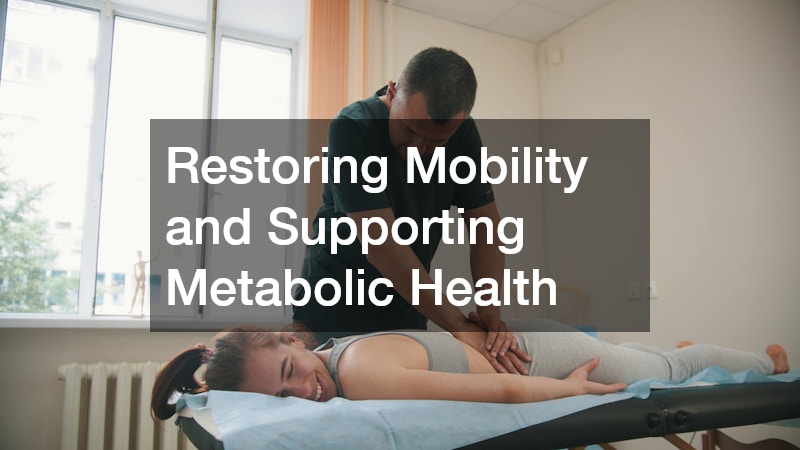
Movement is one of the most important indicators of long-term health. When mobility declines, so does overall quality of life. Addressing musculoskeletal function early helps prevent chronic pain and long-term physical limitations. Reduced mobility can also impact independence, making everyday tasks such as bending, lifting, or even walking more difficult over time. This is why early intervention and consistent maintenance are essential for preserving long-term physical function.
A chiropractor clinic provides targeted care focused on spinal alignment, joint health, and movement efficiency. These clinics often use a combination of manual therapy, corrective exercises, and posture training to improve mobility. In many cases, patients also receive individualized exercise plans designed to strengthen weak muscle groups and reduce imbalances that contribute to discomfort or restricted movement. Over time, this structured approach helps retrain the body to move more efficiently and with less strain.
In addition to structural care, weight loss shots are sometimes used as part of medically supervised weight management programs. These treatments support metabolic balance and can help individuals achieve healthier body composition when combined with lifestyle changes. When paired with proper nutrition and consistent physical activity, they can contribute to improved energy levels and reduced stress on weight-bearing joints.
Actionable steps for improving mobility and metabolic health:
- Incorporate daily stretching routines focused on major joints
- Maintain regular posture awareness throughout the day
- Track body composition changes over time rather than weight alone
- Combine movement therapy with nutritional planning
- Include low-impact exercises such as walking or swimming
- Gradually increase activity intensity to avoid overloading joints
Key advantages of integrated mobility care:
- Reduced strain on joints and muscles
- Improved energy levels throughout the day
- Better balance and coordination
- Lower risk of chronic musculoskeletal conditions
- Enhanced ability to maintain long-term physical activity habits
A combined approach ensures that both structural and metabolic factors are addressed together rather than separately, creating a more sustainable path toward long-term mobility, strength, and overall wellness.
Enhancing Oral Function and Aesthetic Confidence
Oral health is closely connected to overall wellness. Poor dental alignment or damaged teeth can affect digestion, speech, and even self-confidence. Modern dental care focuses on both function and appearance to create long-lasting improvements.
Invisalign offers a discreet way to correct alignment issues without traditional braces. These clear aligners gradually shift teeth into proper position, improving both aesthetics and function.
Cosmetic dentistry expands beyond alignment to include procedures that restore brightness, symmetry, and overall appearance of the smile. These treatments can significantly improve confidence and social comfort.
Practical oral health improvement strategies:
- Maintain consistent daily brushing and flossing routines
- Attend regular dental evaluations for early detection
- Avoid delaying alignment or restorative treatments
- Follow post-treatment care instructions carefully
Benefits of improved dental alignment and aesthetics:
- Easier chewing and digestion
- Reduced jaw strain and discomfort
- Improved speech clarity
- Increased self-confidence in social settings
When oral health is prioritized as part of overall wellness, it supports both physical and emotional well-being.
Restoring Oral Function and Long-Term Stability

In more advanced cases of tooth loss or structural damage, restorative solutions become essential for maintaining quality of life. Missing teeth can impact nutrition, speech, and facial structure if not properly addressed.
Dentures provide a practical solution for restoring oral function and improving the ability to eat and speak comfortably. Modern designs are more comfortable and natural-looking than ever before, allowing for better adaptation and usability.
A primary care service also plays an important role in coordinating dental health with overall medical care. This ensures that oral health issues are not treated in isolation but are integrated into broader wellness planning.
Helpful strategies for maintaining oral restoration success:
- Clean dental appliances daily to prevent complications
- Attend follow-up appointments for adjustments
- Maintain a nutrient-rich diet that supports oral health
- Monitor changes in comfort and function over time
Key benefits of restorative oral care:
- Improved ability to eat a wider range of foods
- Enhanced facial structure support
- Better speech clarity and confidence
- Reduced long-term oral health complications
Proper restoration ensures that oral health continues to support overall wellness rather than limiting it.
Integrating Mental and Physical Health Recovery
True wellness cannot be achieved without addressing mental health alongside physical recovery. Emotional wellbeing plays a major role in motivation, consistency, and long-term healing outcomes.
Dual diagnosis treatment focuses on individuals who are dealing with both mental health challenges and physical or substance-related conditions. This integrated approach ensures that both aspects are treated simultaneously rather than separately, improving long-term success rates.
A rehabilitation center often provides the structured environment needed for this type of comprehensive care. These settings allow for coordinated treatment plans that address emotional, psychological, and physical needs together.
Practical steps for supporting mental-physical recovery integration:
- Prioritize consistent therapy or counseling sessions
- Build a structured daily routine for stability
- Identify emotional triggers that affect physical health
- Engage in stress-reducing activities such as walking or journaling
Key benefits of integrated care:
- Improved emotional regulation
- Better adherence to physical treatment plans
- Reduced relapse or setback risk
- Stronger long-term recovery outcomes
When mental and physical health are treated as interconnected systems, recovery becomes more sustainable and balanced.
Building Long-Term Lifestyle Stability

Sustainable wellness depends on daily habits rather than short-term interventions. Once initial recovery has been achieved, the focus must shift toward maintaining progress through consistent lifestyle choices.
Nutrition, sleep, hydration, and physical activity all play essential roles in long-term stability. Small, consistent improvements often lead to more durable results than drastic changes.
Actionable lifestyle strategies include:
- Establish a consistent sleep schedule and stick to it daily
- Prioritize whole foods over processed options whenever possible
- Incorporate movement into daily routines rather than relying on workouts alone
- Stay hydrated throughout the day to support metabolic function
Additional support strategies:
- Use tracking tools to monitor habits and progress
- Set realistic weekly wellness goals
- Reduce environmental stressors where possible
- Build accountability through support systems or partners
Long-term stability is achieved when healthy habits become automatic rather than forced. Over time, these habits reinforce all other aspects of recovery and wellness.
Preventive Care and Early Intervention Strategies
Preventive care is one of the most powerful tools in modern health management. Instead of waiting for problems to develop, preventive strategies focus on identifying risks early and addressing them before they become serious.
Regular evaluations, screenings, and health monitoring help ensure that small issues do not escalate into larger complications. This approach is especially important for individuals with chronic conditions or previous health challenges.
Key preventive care strategies:
- Schedule annual comprehensive health evaluations
- Monitor key health indicators such as blood pressure and cholesterol
- Maintain regular dental and vision checkups
- Track changes in energy levels or physical performance
Additional benefits of preventive care:
- Reduced long-term healthcare costs
- Earlier detection of potential health issues
- Improved overall life expectancy and quality
- Greater peace of mind and health awareness
Preventive care ensures that wellness is maintained proactively rather than reactively.
Combining Advanced Treatment Approaches for Optimal Outcomes
Modern wellness is most effective when multiple treatment approaches are combined strategically. Instead of relying on a single method, integrated care plans allow for more complete and efficient recovery.
For example, metabolic treatments such as weight loss shots can be combined with structural dental improvements like invisalign to support both internal and external health improvements. When these approaches are coordinated properly, they enhance both function and confidence simultaneously.
Strategies for combining treatments effectively:
- Work with providers who communicate across specialties
- Create a unified wellness plan with clear goals
- Avoid overlapping treatments without professional guidance
- Monitor progress across multiple health areas simultaneously
Benefits of integrated treatment approaches:
- Faster overall recovery timelines
- Improved consistency in results
- Greater patient satisfaction and confidence
- More comprehensive health improvements
By combining advanced therapies thoughtfully, individuals can achieve more balanced and sustainable wellness outcomes.
Restorative health is not defined by a single treatment or quick fix. Instead, it is built through a combination of structured care, physical recovery, preventive strategies, and long-term lifestyle commitment. When all elements of health—physical, emotional, and functional—are addressed together, the result is a more complete and sustainable form of wellness.
By focusing on consistency, coordination, and prevention, individuals can move beyond temporary improvements and build a stronger foundation for lifelong health and well-being.