
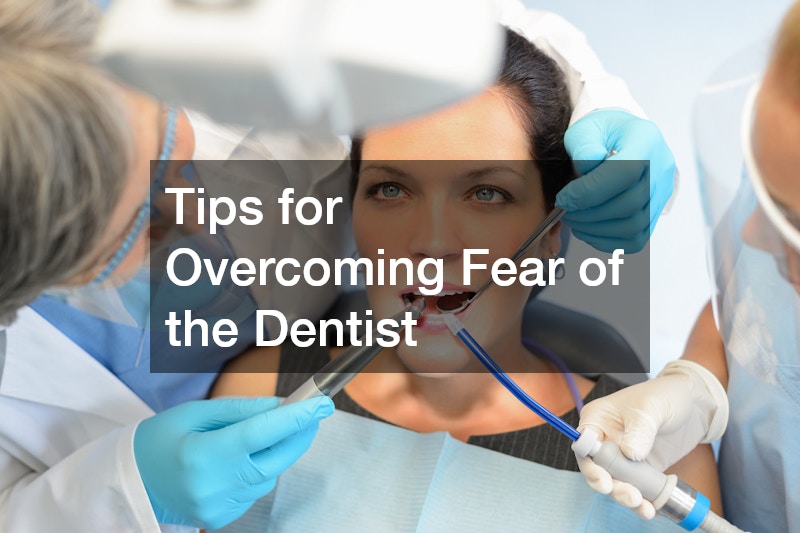
Fear of dental offices is one of the most common forms of anxiety experienced by people across all age groups, and it can range from mild nervousness to severe avoidance that interferes with regular care. This fear often develops gradually over time rather than appearing suddenly. For some, it may begin with an uncomfortable childhood experience or a procedure that felt overwhelming or poorly explained. For others, it is shaped indirectly through stories from friends, family members, or media portrayals that emphasize pain or discomfort. A significant part of this anxiety is also tied to psychological factors such as fear of loss of control, sensitivity to sounds or sensations, and anticipation of discomfort that may not even occur.
What makes dental fear particularly challenging is how easily it can lead to avoidance behaviors. When appointments are delayed or skipped, small issues like sensitivity or minor decay can develop into more complex conditions that require more involved care later on. This can unintentionally reinforce the original fear, as more advanced treatment may feel more intimidating. Over time, this cycle of avoidance and escalation can create both physical and emotional stress, making it harder for individuals to re-engage with routine care. However, it is important to recognize that this pattern is not permanent or unchangeable.
The encouraging reality is that dental anxiety is highly manageable. With supportive environments, gradual exposure, and practical coping strategies, individuals can significantly reduce their stress levels over time. Shifting mindset plays a major role as well—moving from viewing dental care as something to endure toward seeing it as a collaborative and preventive health practice can make a meaningful difference. Support systems, including compassionate professionals, clear communication, and personal coping tools, all work together to create a more comfortable experience.
This article focuses on practical, real-world approaches that help reduce fear and build confidence when visiting dental professionals. Instead of abstract advice, each section emphasizes actionable techniques that can be applied before, during, and after appointments. These strategies are designed to help make visits feel more predictable, manageable, and less overwhelming. Whether someone experiences mild hesitation or significant anxiety, the goal is to provide tools that support gradual progress toward a more positive and empowering relationship with dental care.
Understanding Where Fear Comes From and How to Reframe It
Dental fear often begins with a combination of past experiences, sensory sensitivity, and anticipation of discomfort. For some individuals, a single unpleasant visit can shape long-term avoidance behaviors. Others may develop anxiety from hearing negative stories or imagining worst-case scenarios. Recognizing these triggers is the first step toward breaking the cycle of fear.
Another important factor is the feeling of vulnerability that comes with lying back in a chair and not being fully in control. This sense of helplessness can amplify anxiety even when no pain is present. Reframing the experience as a collaborative effort rather than something being done to you can significantly reduce emotional stress.
It also helps to understand that modern care environments are designed with comfort in mind, often incorporating calming communication and patient-centered techniques. Awareness alone can reduce fear by replacing uncertainty with clarity. Over time, this shift in perspective can help individuals approach visits with more confidence.
Making Early Appointments Feel Less Overwhelming
Preparing for a visit begins long before sitting in the chair. Mental preparation can include simple relaxation techniques such as deep breathing, visualization, or listening to calming music before the appointment. These small actions help regulate stress levels and reduce anticipatory anxiety.
Physical preparation also plays a role. Getting enough sleep, avoiding caffeine, and arriving early can help the body feel more stable and less reactive. When the nervous system is calm, the mind is more capable of handling unfamiliar situations.
Many people also benefit from familiarizing themselves with the environment beforehand. Walking into the building ahead of time or scheduling a brief consultation without treatment can make the experience feel less intimidating.
- Bring headphones to listen to calming audio
- Use slow breathing techniques while waiting
- Plan a small reward after the appointment
These strategies help reframe the visit as a manageable event rather than a stressful ordeal.
Creating Positive Experiences for Younger Patients and Families
Early experiences strongly influence lifelong attitudes toward dental care. When children are introduced to supportive environments, they are more likely to develop trust and curiosity rather than fear. Gentle explanations and friendly interactions can make a significant difference in shaping their perception.
Family involvement also matters. When caregivers model calm behavior and avoid expressing fear, children tend to mirror that emotional response. Positive reinforcement after visits can help reinforce confidence and reduce resistance in future appointments.
A supportive approach often includes gradual exposure. Starting with simple checkups before introducing more complex procedures allows children to build familiarity at their own pace.
Working with a local pediatric dentist can be especially helpful because these professionals are trained to communicate in child-friendly ways and create a more relaxed atmosphere. This environment often includes visual distractions, gentle explanations, and step-by-step reassurance that helps reduce fear.

Building Long-Term Trust With Care Providers
Trust is one of the most powerful tools in overcoming dental fear. When patients see the same professionals over time, anxiety tends to decrease because predictability increases. Familiarity with voices, routines, and expectations reduces uncertainty.
Clear communication is equally important. When procedures are explained in simple, transparent language, patients feel more informed and less intimidated. Knowing what will happen next reduces the fear of the unknown.
Many people benefit from choosing local dentists who prioritize ongoing relationships rather than one-time visits. Continuity of care allows individuals to feel more comfortable over time and build a sense of reliability.
- Ask questions before any procedure begins
- Request explanations at each step
- Establish signals for breaks during treatment
These communication habits empower patients and help create a sense of control, which is essential for reducing anxiety.
Managing Concerns About Appearance and Self-Image
Fear is not always about pain—sometimes it is tied to appearance and self-esteem. People may worry about how their smile looks or feel self-conscious about imperfections. These emotions can make dental visits feel emotionally charged.
Addressing these concerns gradually can help reduce pressure. Instead of focusing on dramatic changes, patients can begin by discussing small, manageable improvements that feel comfortable and achievable. This approach helps reduce overwhelm and builds confidence over time.
Working with a cosmetic dentist can help individuals explore aesthetic options in a structured and supportive way. These professionals often focus on balancing function with appearance, helping patients feel more comfortable discussing their goals without judgment.
Emotional reassurance plays a big role here. When individuals feel heard and respected, their anxiety often decreases naturally. This allows them to make decisions based on confidence rather than fear.
Understanding Restorative Solutions Without Fear
One of the biggest sources of anxiety is uncertainty about complex restorative treatments. However, understanding modern options can significantly reduce fear. Many procedures today are designed to restore comfort, function, and long-term oral health with minimal discomfort.
For example, tooth implants are often used to replace missing teeth in a way that feels stable and natural. Knowing how these solutions work can help reduce misconceptions and anxiety about long-term outcomes. Education is a powerful tool for reducing emotional resistance.
When patients understand the step-by-step process of restorative care, fear tends to decrease because unpredictability is replaced with structure. Knowledge transforms the unknown into something manageable and less intimidating.

Choosing Reliable Professionals for Peace of Mind
Confidence in care providers is one of the strongest predictors of reduced anxiety. When patients feel assured that they are in capable hands, fear naturally decreases. Researching credentials, reviews, and communication styles can help individuals make informed choices.
High-quality providers focus not only on technical skill but also on emotional comfort. They often take extra time to explain procedures and ensure patients feel heard throughout the process.
Seeking out the best dentists in a given area often involves evaluating both professional expertise and patient experience. This combination is essential for creating a supportive environment where anxiety is minimized.
- Look for strong patient reviews
- Evaluate communication style during consultations
- Consider comfort-focused amenities
These factors contribute to a sense of trust that makes visits significantly easier to manage.
Understanding What Happens During Treatment
Uncertainty is one of the biggest contributors to fear. When people do not know what to expect, their imagination often fills in the gaps with worst-case scenarios. Learning what actually happens during care can significantly reduce this anxiety.
Most procedures follow a structured and predictable sequence, which helps create a sense of control. Knowing that steps are explained beforehand allows patients to mentally prepare and feel less surprised during treatment.
Education about dental procedures can help demystify common experiences such as cleanings, fillings, and exams. When individuals understand the purpose and flow of each step, fear tends to decrease naturally.
Understanding also helps patients ask better questions and advocate for themselves during appointments, which strengthens confidence and reduces helplessness.
Coping With Unexpected Pain or Urgent Situations
Sudden discomfort or injury can trigger intense anxiety, especially for individuals already sensitive to dental experiences. In these moments, emotional regulation becomes just as important as physical care.
Having a plan in advance can help reduce panic. Knowing who to contact, what steps to take, and how to manage immediate discomfort can make urgent situations feel more controllable.
Many individuals experience fear during dental emergencies, but structured response strategies can help reduce stress. Breathing techniques, staying hydrated, and contacting care providers quickly can stabilize both physical and emotional reactions.
- Stay calm and avoid self-diagnosing
- Apply basic comfort measures if safe
- Seek professional help promptly
Preparation helps transform emergencies from chaotic experiences into manageable events.

Navigating More Complex Treatment Experiences
More advanced procedures can feel intimidating due to their perceived complexity. However, understanding the process and recovery can significantly reduce fear. When patients know what to expect before, during, and after treatment, anxiety becomes easier to manage.
Recovery support is just as important as the procedure itself. Clear instructions, follow-up care, and proper pain management all contribute to a smoother experience.
In cases involving oral surgery, patients often benefit from detailed explanations and step-by-step preparation. Knowing the timeline and recovery expectations helps reduce uncertainty and emotional stress.
Support systems, both professional and personal, play a major role in recovery confidence. When individuals feel guided throughout the process, fear becomes more manageable and less overwhelming.
Overcoming fear of dental visits is not a matter of suddenly becoming completely fearless or forcing yourself into uncomfortable situations without support. Instead, it is a gradual process of learning how to manage anxiety in a way that keeps it from controlling your decisions. For many people, the fear never fully disappears—but it becomes smaller, more predictable, and easier to handle with the right tools. When anxiety is acknowledged rather than avoided, it loses much of its power. This shift allows individuals to move from avoidance behaviors—such as delaying appointments or ignoring symptoms—toward a more balanced and proactive approach to oral health.
At the core of this transformation is the idea of empowerment. Feeling in control during dental visits often comes from small but meaningful changes: asking questions before treatment begins, understanding what each step involves, and knowing that it is okay to pause or request clarification at any time. Preparation reduces uncertainty, communication builds trust, and understanding replaces fear of the unknown with clarity. These three elements work together to create a sense of stability that makes even anxious patients feel more grounded in the experience. Over time, repeated positive or manageable experiences begin to reshape expectations, making future visits less intimidating.
Equally important is the role of trust—both in professionals and in oneself. Choosing supportive environments, building familiarity with care providers, and allowing time for comfort to develop all contribute to lowering anxiety levels. Just as importantly, individuals begin to trust their own ability to handle appointments, even if they still feel nervous. This self-trust is often the turning point where fear no longer dictates behavior. Instead of viewing dental care as something to endure, it becomes something that can be approached with preparation and confidence.
Ultimately, long-term change happens through consistency rather than intensity. Small steps—like attending regular checkups, speaking openly about concerns, and celebrating progress—accumulate into meaningful progress over time. What once felt overwhelming gradually becomes routine. In this way, oral health care evolves into a sustainable habit rather than a source of stress, supporting both physical well-being and emotional resilience in the long run.