Alcohol training services play a crucial role in promoting responsible alcohol consumption and ensuring the safety of patrons. This article delves into the reasons why such training is vital, answers common questions, and discusses the impact of effective training programs. An understanding of the fundamentals of responsible service is essential not just for legal compliance but also for fostering a culture of safety. Through training, individuals who serve alcohol can better manage and mitigate risks associated with alcohol consumption. The subsequent sections will explore the essential aspects of alcohol training services and their broader implications.
What is alcohol training, and why is it important?
Understanding Alcohol Training Services
Alcohol training services encompass a range of educational programs designed to instruct individuals on proper alcohol service. These programs aim to promote responsible drinking behaviors while minimizing the risks associated with excessive alcohol consumption. Core objectives include educating participants on identifying intoxication levels and effectively managing patrons who may be over the limit. Comprehensive training ensures that servers are equipped to handle challenging situations and reduce alcohol-related harm. By providing tools and knowledge, alcohol training empowers staff to contribute positively to public safety.
The Role of Alcohol Training in Public Safety
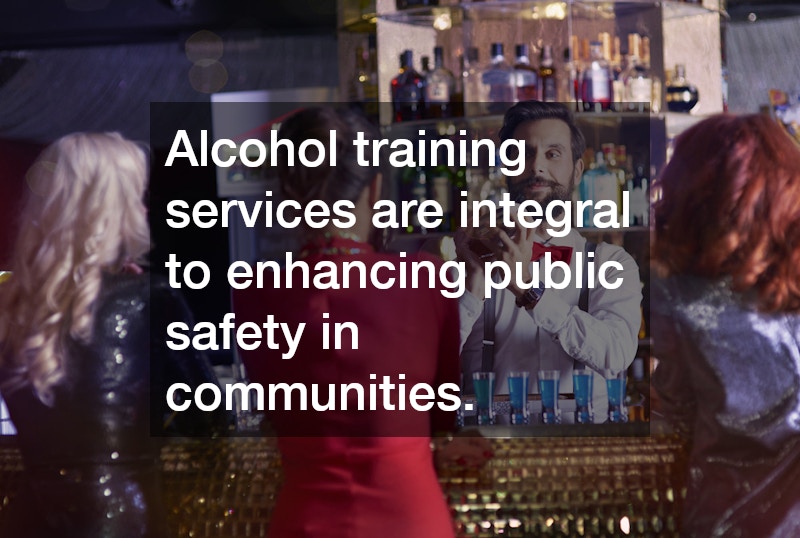
Alcohol training services are integral to enhancing public safety in communities. By systematically training staff, establishments reduce the likelihood of alcohol-related incidents. Trained staff can identify early signs of intoxication and intervene appropriately, thus preventing potential harm. This proactive approach helps maintain order and reduces the burden on law enforcement and public health systems. Moreover, effective training fosters a culture of responsibility and care among both staff and customers.
The Legal Requirements for Alcohol Training
Legal mandates surrounding alcohol server training vary across regions, highlighting the need for awareness of local laws. Compliance with these regulations is essential for establishments aiming to avoid legal repercussions. Training not only fulfills legal requirements but also underscores a commitment to public welfare. Establishments benefit by demonstrating adherence to standards, enhancing trust among patrons. Staying informed about local policies ensures that businesses remain in good standing and avoid costly legal liabilities.
The Impact on Customer Service
Well-executed alcohol training can significantly enhance the quality of customer service. Trained staff are more confident in engaging with patrons and managing difficult situations professionally. This elevates the overall customer experience by balancing enjoyment with safety. Patrons appreciate attentive service, fostering a positive reputation for the establishment. When customers trust that their well-being is prioritized, it encourages repeat business and word-of-mouth promotion.
Beyond Basics: Advanced Alcohol Training
Advanced alcohol training programs delve deeper into specialized topics, offering staff enhanced skills and knowledge. These programs cover advanced conflict resolution techniques and complex legal scenarios. By equipping staff with higher-level competencies, businesses achieve a refined approach to alcohol service. Advanced training also addresses emerging trends and promotes adaptability in an ever-evolving industry. By investing in comprehensive training, establishments ensure staff remain at the forefront of best practices.
Who needs alcohol training, and who administers it?
Identifying Target Audiences for Training
A diverse array of individuals and professionals benefit from alcohol training programs. Hospitality workers, including bartenders and waitstaff, are primary recipients of these courses. Security personnel and event staff also gain valuable insights into managing alcohol-related challenges. Tailored training ensures that each role is adequately prepared for specific scenarios they may encounter. By casting a wide net, these programs support a holistic approach to responsible alcohol service.
The Administrators: Leading Providers of Alcohol Training Services
Various organizations and experts specialize in delivering alcohol training services. These providers utilize experienced instructors and cutting-edge resources to deliver effective programs. They offer a range of options, from in-person workshops to online modules, accommodating diverse learning preferences. The credibility of these administrators is critical in ensuring participants receive high-quality training. Through collaboration with industry leaders, training services stay current and comprehensive.
Training for Managers vs. Frontline Staff
Alcohol certification training programs often differentiate in content and objectives for managerial staff and frontline employees. Managers focus on overseeing compliance and implementing establishment-wide policies. In contrast, frontline staff training emphasizes direct patron interaction and real-time decision-making. Each group plays a distinct role in the effective operation of alcohol service establishments. A layered approach ensures that both managers and staff operate cohesively, enhancing overall safety and customer satisfaction.
The Role of Technology in Alcohol Training
Technology has revolutionized the delivery of alcohol training, offering innovative platforms and e-learning solutions. Digital courses provide flexibility, allowing participants to learn at their own pace. Interactive modules increase engagement, making the learning process more effective and enjoyable. With advancements in technology, training can simulate real-world scenarios, preparing staff for various challenges. The integration of technology ensures training programs are accessible and adaptable to modern demands.
Certification and Recertification Process
Upon completing initial training, participants receive certification, validating their competencies in responsible alcohol service. Certification demonstrates a commitment to upholding safety standards and enhances professional credibility. Regular recertification ensures staff knowledge remains current with evolving legal requirements and best practices. This process of continuous education fosters a culture of lifelong learning within the industry. By maintaining certification, employees and establishments reinforce their dedication to responsible service.