
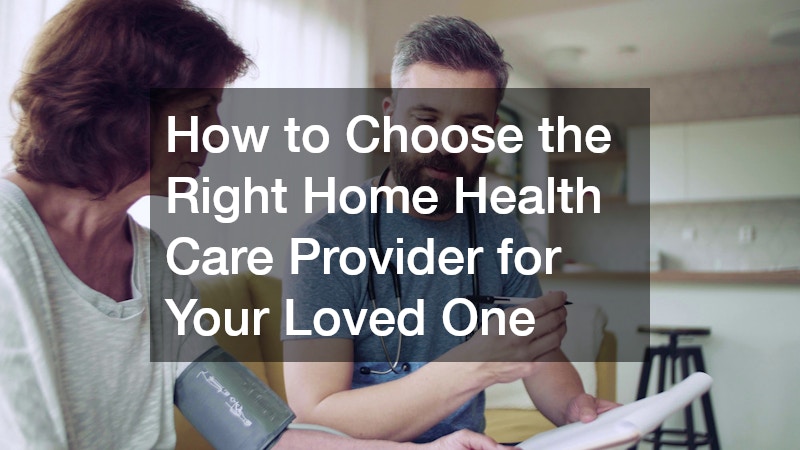
Choosing the right home health care provider is critical for your loved one’s well-being. The provider’s role goes beyond daily assistance to enhancing life quality and ensuring safety. With many providers available, your choice requires careful consideration of reliability, compatibility, and cost. This guide helps you assess a potential provider.
What Qualifications Should a Home Health Care Provider Have?
Licensing and Certification
Ensure the provider has all necessary licenses and certifications, demonstrating compliance with regulations and validating their ability to cater to specific medical needs. Verify these credentials before proceeding.
Experience and Expertise
Experience is crucial for quality service. Experienced providers handle complex situations adeptly. Check the provider’s background to assess their capability to offer adequate care and support.
Specialization in Medical Conditions
Select providers specialized in specific conditions for personalized care, ensuring they are equipped to handle unique needs efficiently.
Training and Continuing Education
Ongoing education is vital for providers to stay current with medical advances. Providers prioritizing training generally offer better quality services. Continuous learning not only enhances skills but also instills confidence in both providers and patients.
Background Checks
Thorough background checks are essential to confirm no history of malpractice or criminal records. Request references to ensure trustworthiness and reliability. It’s important to consider the thoroughness of these checks as they provide peace of mind regarding provider credibility.
How Do I Assess the Quality of Care Provided?
Evaluating Patient Reviews and Testimonials
Patient reviews offer insights into the quality of care and the provider’s reputation. Read these reviews to make an informed decision. Pay attention to common themes in the reviews, as they often reflect consistent experiences with the provider.
State and National Rankings
Check state and national rankings, which compare providers based on quality, safety, and patient satisfaction. Such rankings can serve as a benchmark for evaluating potential providers.
Patient Care Plan Development
A personalized patient care plan tailored to health needs ensures specific requirements are met and adjusted as conditions change. This approach emphasizes the importance of adaptability in care.
Employee-to-Patient Ratio
The employee-to-patient ratio indicates the provider’s capacity to offer attentive care. A lower ratio often means more personalized attention. Ratio discrepancies can impact the level of interaction and care quality.
Visits and Observations
Conduct site visits to observe care quality and staff interactions, confirming your loved one will receive deserved attention. Such visits also provide a tangible sense of the environment and care dynamics.
What Costs Are Associated with Home Health Care?
Breakdown of Typical Costs
Understand costs involved for proper financial planning, including caregiver wages and medical supplies. Awareness of these costs ensures budgeting aligns with care expectations.
Insurance Coverage Options
Explore insurance coverage to manage expenses, minimizing financial burden.
Government Assistance Programs
Many programs offer assistance. Explore these for potential financial relief.
Cost versus Quality Analysis
Balance cost with quality. Ensure quality is not compromised due to costs by comparing providers.
Payment Plans and Financial Assistance
Investigate flexible payment plans to ease financial demands. Consult providers on these options.
How Can I Ensure Compatibility Between the Provider and My Loved One?
Personality and Cultural Matches
Compatibility enhances caregiving experience, fostering comfort and respect.
Communication Preferences
Effective communication is vital. Providers should align with patient’s communication style to minimize misunderstandings.
Understanding and Respecting Preferences
Adapting to individual preferences leads to more satisfying experiences and better relationships.
Trial Periods and Adjustments
Trial periods allow assessment of provider suitability. Providers open to adjustments indicate flexibility and commitment.
Feedback Mechanisms
Encourage regular feedback for continuous improvement and satisfaction. Providers should welcome feedback to refine services.
What Are the Signs of a Good Home Health Care Provider?
Professionalism and Reliability
Professionalism and reliability reassure families of their loved one’s safety. Providers should uphold ethical standards.
Empathy and Compassion
Empathy and compassion distinguish great providers, facilitating a nurturing relationship.
Commitment to Patient’s Well-being
Dedicated providers prioritize well-being through tailored care plans and proactive approaches.
Consistent Positive Outcomes
Providers with consistent positive outcomes reflect skilled, attentive care and receive accolades and referrals.
Strong Communication Skills
Clear communication builds trust and enhances collaboration. Strong skills are essential for optimal care delivery.
Choosing the right provider involves evaluating qualifications, experience, patient reviews, and financial arrangements to ensure your loved one receives exceptional care. This ensures health, safety, and happiness under personalized home health care.