

Owning a wedding venue may look glamorous from the outside, filled with elegant décor, joyful celebrations, and unforgettable photographs. Guests arrive dressed for a milestone event, ceremonies unfold in beautifully staged settings, and receptions transition seamlessly from dinner to dancing. What most people do not see is the extensive coordination, preparation, and management that take place long before the first guest walks through the doors. A wedding venue is not simply a scenic location. It is a fully functioning business that demands organization, adaptability, and long-term strategic planning.
Each wedding represents months of communication and preparation. Venue owners work closely with couples to understand their vision, preferred timeline, guest count, and unique requests. Floor plans are adjusted, vendor schedules are confirmed, and staffing needs are carefully calculated. Weather contingencies may need to be developed, especially for venues that offer outdoor ceremony spaces. Every detail must be reviewed to reduce the risk of disruptions on the wedding day.
Beyond event logistics, venue ownership includes ongoing responsibilities that extend throughout the year. Marketing campaigns must attract future bookings, contracts must be managed carefully, and property maintenance must remain consistent to preserve both beauty and safety. Financial forecasting, vendor relationship management, and regulatory compliance are all part of daily operations. Owners must think ahead constantly, balancing current celebrations with future growth opportunities.
In many ways, owning a wedding venue combines hospitality, property management, and entrepreneurship into one demanding role. It requires creativity to design stunning spaces, discipline to maintain operational systems, and resilience to handle unexpected challenges. While the final result appears effortless to guests, the reality is a carefully orchestrated effort that makes each celebration possible.

Managing Daily Operations and Logistics
Managing daily operations is the foundation of running a successful wedding venue. Each event requires precise scheduling, detailed setup plans, and careful communication with staff and vendors. Venue owners begin preparing long before guests arrive by reviewing floor plans, confirming timelines, and verifying that equipment and décor are properly positioned. Even routine tasks such as checking lighting systems, testing sound equipment, and organizing storage areas contribute to the overall success of the event. A single overlooked detail can disrupt the flow of a wedding day, so consistency and thoroughness are critical.
One of the most significant operational partnerships often involves a catering company. Coordinating kitchen access, delivery times, staffing needs, and service flow requires proactive planning. The venue owner may work closely with caterers to confirm menu logistics, power requirements, and cleanup responsibilities. Proper communication helps prevent bottlenecks during dinner service and ensures that transitions between courses, speeches, and dancing feel seamless. When daily operations are carefully managed and vendor relationships are clearly structured, the result is an event that unfolds smoothly, allowing couples and guests to focus on celebration rather than coordination.
Coordinating Vendors and Event Teams
Coordinating vendors and event teams is one of the most dynamic aspects of owning a wedding venue. Each celebration brings together photographers, florists, planners, musicians, and transportation providers who must work within a shared timeline. The venue owner often serves as the central point of contact, guiding vendors through setup procedures, access points, and property guidelines. Clear expectations and structured communication help prevent scheduling conflicts and ensure that everyone understands their role in the larger event plan.
Transportation coordination can be especially complex when couples arrange group arrivals or grand exits. Working with a professional limo service requires precise timing and designated staging areas to maintain order and safety. Venue owners may establish clear loading and unloading zones to keep traffic flowing efficiently. By overseeing vendor communication and supporting each team throughout the day, the venue owner transforms multiple moving parts into a cohesive experience. This level of coordination is what allows a wedding to appear effortless to guests while reflecting careful orchestration behind the scenes.
Preparing the Venue for Each Celebration
Preparing the venue for each celebration requires meticulous attention to detail and a deep understanding of each couple’s vision. No two weddings are identical, which means layouts, décor placement, and timing must be customized for every event. Venue owners review seating charts, ceremony configurations, and reception layouts to confirm that the space aligns with the couple’s expectations. Tables, chairs, linens, and staging areas must be arranged carefully to create a polished and welcoming atmosphere. Cleanliness and presentation are also critical, as guests often form their first impressions within moments of arrival.
In addition to décor and layout, coordination with vendors plays a key role in preparation. For example, couples may arrange attire services through a formal wear rental provider, which requires thoughtful planning around dressing areas and photo opportunities. Venue owners often designate private suites or preparation spaces that allow wedding parties to get ready comfortably and on schedule. Ensuring these areas are organized, well-lit, and accessible supports a smooth start to the day. By carefully preparing every element of the property, venue owners create a seamless transition from setup to ceremony, setting the tone for a memorable celebration.
Maintaining the Property Year-Round
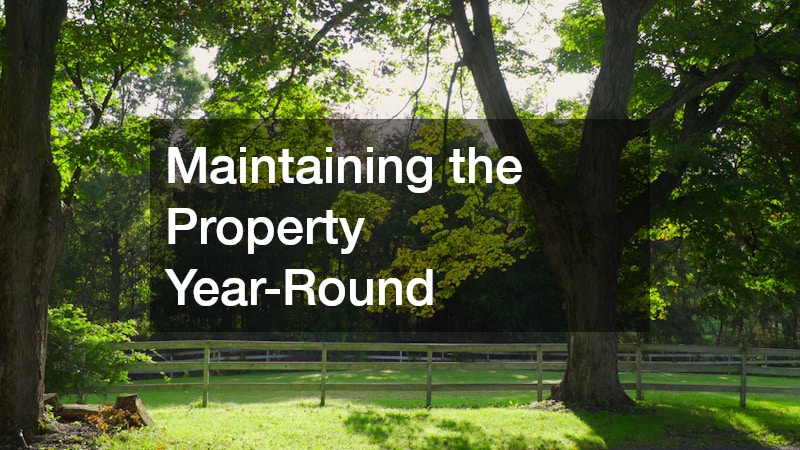
Owning a wedding venue is not limited to event days. Year-round property maintenance is essential to preserving the beauty and functionality of the space. Landscaped grounds, walkways, and exterior features must remain in excellent condition to support both aesthetics and safety. Regular inspections of structures, utilities, and equipment help prevent disruptions during peak wedding season. Venue owners must plan ahead for seasonal changes, addressing potential wear and tear before it affects scheduled events.
Outdoor venues, in particular, require careful landscape management. Collaborating with professional tree trimmers helps maintain healthy trees, prevent overgrowth, and reduce safety risks caused by falling branches. Proper tree care also enhances the visual appeal of ceremony backdrops and photo locations. Maintaining lawns, gardens, and outdoor lighting contributes to a cohesive and polished setting throughout the year. By investing in consistent property upkeep, venue owners protect their investment and confirm that every couple experiences a beautiful and well-maintained environment on their wedding day.
Handling Contracts and Client Expectations
Clear communication and well-structured agreements are vital components of wedding venue ownership. Contracts outline rental terms, payment schedules, cancellation policies, and property guidelines. Venue owners must confirm that clients fully understand what is included in their package and what responsibilities remain with outside vendors. Setting realistic expectations early helps prevent misunderstandings and protects both parties throughout the planning process.
Security considerations also play an important role in contract discussions. Establishing policies related to guest count limits, alcohol service, and event timing supports a safe and controlled environment. In some cases, coordinating with professional security personnel may be necessary to manage large guest lists or high-profile events. Clear procedures for crowd management and property protection allow celebrations to unfold smoothly without compromising safety. By combining transparent agreements with thoughtful oversight, venue owners build trust with clients while maintaining operational integrity behind the scenes.
Overseeing Marketing and Bookings
Marketing is a constant responsibility when owning a wedding venue. Even during peak seasons, venue owners must think ahead to future bookings and long-term brand positioning. Maintaining a strong online presence, updating photo galleries, and responding promptly to inquiries all play a role in attracting new couples. Social media, website updates, and email communication help showcase recent events and highlight the versatility of the property. Reputation management is equally important, as reviews and testimonials significantly influence booking decisions.
Visual branding also extends beyond digital platforms. Working with a professional sign company can help maintain cohesive on-site signage that reflects the venue’s identity. Entrance signs, directional signage for guests, and branded event markers contribute to a polished first impression. Clear, attractive signage also improves guest navigation during events, reducing confusion and supporting a smoother experience. By combining strategic marketing efforts with thoughtful visual branding, venue owners can strengthen their presence in a competitive market while continuing to secure future celebrations.
Ensuring Compliance and Safety Standards
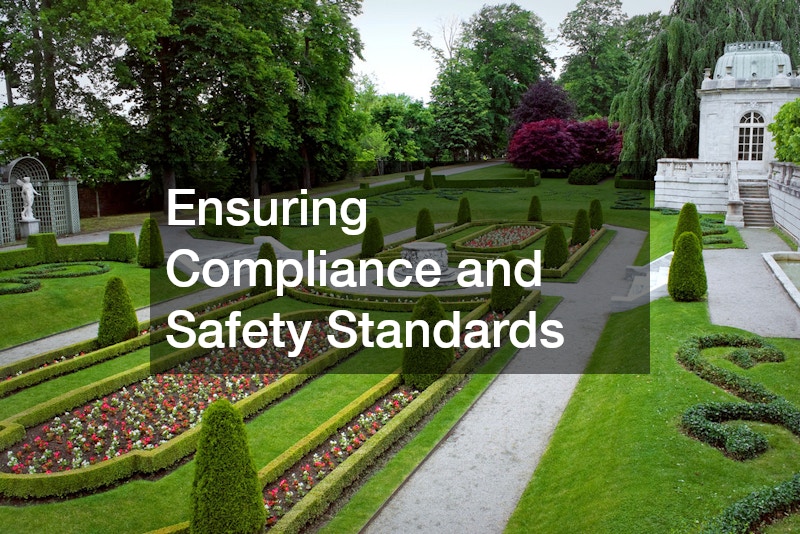
Compliance and safety are essential components of operating a wedding venue. Local regulations, fire codes, occupancy limits, and health standards must be carefully followed to protect guests and staff. Venue owners often coordinate inspections, maintain updated permits, and document procedures to remain compliant with municipal guidelines. Emergency preparedness plans, clearly marked exits, and properly maintained equipment all contribute to a secure environment.
Outdoor venues and properties with extensive landscaping may require specialized oversight to remain safe and visually appealing. Consulting with professional arborists can help assess tree health, reduce hazards, and preserve the aesthetic quality of the grounds. Proper tree management minimizes the risk of falling branches or storm-related damage, especially during peak wedding seasons. Maintaining compliance and proactively addressing safety concerns not only protects the venue legally but also reinforces trust with couples who expect a secure setting for their special day.
Balancing Budgets and Financial Planning
Financial planning is a foundational aspect of wedding venue ownership. Revenue from bookings must cover operational expenses, staffing, marketing, maintenance, and ongoing property improvements. Venue owners must carefully manage cash flow, especially during slower seasons when fewer events take place. Budgeting for repairs, upgrades, and unexpected costs helps maintain stability and long-term profitability. Strategic pricing structures and transparent packages allow venues to remain competitive while protecting margins.
Property investments also require thoughtful consideration. Improvements such as resurfacing walkways or upgrading hardscape areas may involve significant work with concrete, which can enhance durability and guest safety. Planning these updates during off-peak months helps minimize disruptions to scheduled events. Long-term financial planning allows venue owners to reinvest in the property while maintaining quality standards. By balancing revenue generation with responsible budgeting, venue owners sustain their business and continue delivering exceptional experiences year after year.
Creating Memorable Guest Experiences
Creating memorable guest experiences is at the heart of owning a wedding venue. While logistics and operations are essential, the ultimate goal is to provide a setting where couples and their loved ones can celebrate comfortably and joyfully. Venue owners pay close attention to ambiance, flow, and guest comfort. Seating arrangements, lighting transitions, and designated spaces for mingling all influence how guests experience the day. Small touches, such as thoughtful welcome areas or cozy lounge spaces, can make a lasting impression.
Interior features also play a significant role in shaping the overall atmosphere. Well-maintained wood flooring, for example, not only enhances the aesthetic of a reception space but also provides a durable and elegant surface for dancing. The look and feel of the flooring can influence how photographs turn out and how guests interact with the space throughout the evening. By maintaining high-quality interior elements and focusing on comfort, venue owners create an environment that feels polished and inviting, allowing guests to fully enjoy the celebration.

Adapting to Seasonal and Industry Trends
The wedding industry evolves constantly, and venue owners must stay attentive to changing trends. Popular color palettes, décor styles, and event formats shift from year to year. Some couples prefer minimalist, intimate gatherings, while others envision large, elaborate celebrations. Staying informed about current preferences helps venue owners update offerings and remain competitive. Flexibility in layout options and package customization allows venues to accommodate a wide range of styles and guest counts.
Seasonal conditions also require thoughtful planning. In colder months, indoor layouts may need adjustment, while warmer seasons often bring increased demand for outdoor ceremonies. Infrastructure improvements such as parking lot paving can enhance accessibility and safety, especially during high-traffic events. Smooth, well-maintained parking areas create a positive first impression and improve guest convenience. By adapting to both industry trends and seasonal demands, venue owners maintain relevance while preserving the core character of their property.
Behind the elegance of every wedding celebration lies a complex network of planning, coordination, and ongoing management. Owning a wedding venue involves far more than hosting events. It requires attention to property maintenance, vendor partnerships, compliance standards, marketing strategies, and financial oversight. Each celebration represents months of preparation that culminate in a single, unforgettable day.
Successful venue ownership balances creativity with structure. By maintaining the property, fostering strong vendor relationships, and adapting to changing trends, venue owners create experiences that feel effortless to guests. The behind-the-scenes dedication makes it possible for couples to focus on what truly matters: celebrating their love surrounded by family and friends. Through careful planning and consistent investment in quality, wedding venue owners turn their properties into cherished spaces where lifelong memories are made.